

Heart-centered help for
late-identified autistic adults
Autism coaching for adults
Maybe you were recently diagnosed with autism. Maybe you’ve known for a while. Maybe you don’t have a formal diagnosis at all, but autism has given you a way of understanding yourself that makes more sense than anything that came before.
Recognizing yourself as autistic can explain a great deal. It can also raise an entirely new set of questions.
You may find yourself looking back over your life differently. Relationships that never quite made sense. Work that exhausted you more than it seemed to exhaust everyone else. Sensory experiences you learned to tolerate. Social rules you studied without realizing other people weren’t studying them too. Periods of burnout. Intense interests. Sex and intimacy. Gender. Friendship. Family. The enormous amount of energy spent trying to be a person you thought you were supposed to be.
Sometimes the realization is liberating. Sometimes it brings grief. Usually it is more complicated than either.
What happens after you recognize yourself?
I work with autistic adults who want to understand themselves and build lives that fit them better. That can include practical problems, but I don’t believe the purpose of coaching is to make autistic people better at pretending not to be autistic.
We might talk about masking and unmasking, relationships, work, burnout, sensory needs, communication, sexuality and intimacy, gender, family, friendship, disclosure, routines, boundaries, or the simple question of what you actually want when you stop organizing your life around what you think you should want.
There is no standard autistic life, and there is no correct way to be autistic.
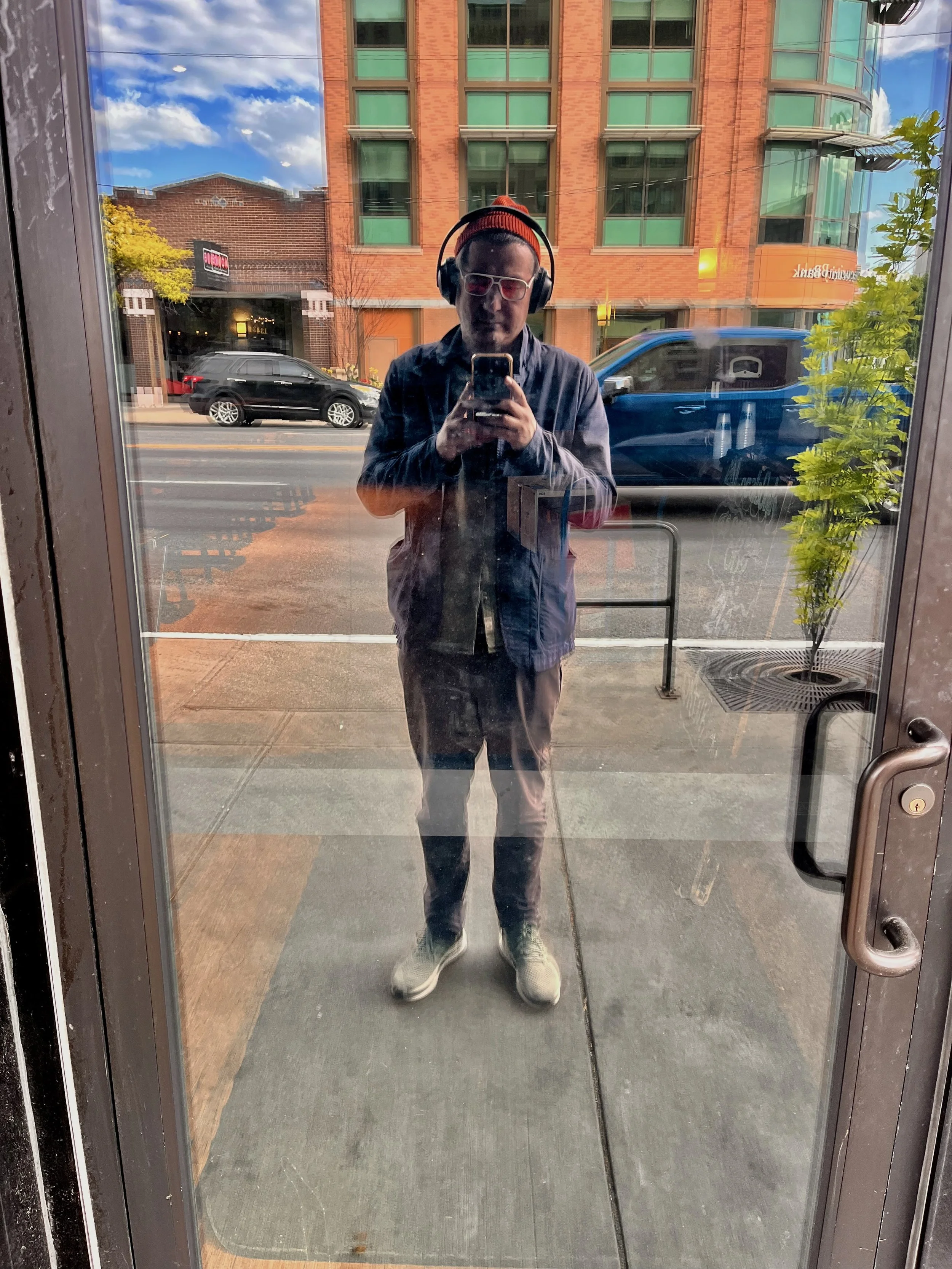
A life can look different in retrospect.
— Scott Bear Don’t Walk
A Life
One of the strange things about discovering autism later is that your past doesn’t change, but its meaning can.
Things you understood as failures may look different. So may accomplishments that required far more effort than anyone around you understood. You may recognize adaptations you developed so early that they simply felt like personality.
You may also discover that some things have nothing to do with autism.
The point isn’t to explain your entire life with a diagnosis. It is to have another way of looking at your experience and to see what becomes clearer.
For many people, this is less about acquiring a new identity than recognizing something that has been there all along.

“I felt heard, and I felt seen.
That was a great thing.”
— J., client
Coaching that begins with you
I’m autistic myself, and I came to that understanding in adulthood.
I also spent years working with adults and couples as a therapist before moving into coaching. My approach is conversational, collaborative, neurodiversity-affirming, and interested in the whole person rather than a checklist of autistic traits.
I’m not here to grade your eye contact, teach you to perform normality, or hand you a laminated morning routine.
I’m interested in what your particular nervous system, history, relationships, desires, difficulties, strengths, contradictions and ways of making meaning tell us about the life that actually works for you.
Sometimes that means solving a concrete problem.
Sometimes it means finally understanding why something has always been so hard.
And sometimes it means having another autistic person sit with you and say: yes, I know what you mean.